About
The Land.
The Land
Wildflowers Meadows, our home ground.
Wildflowers Meadows, our current home field, is one special place where the practice happens, a living laboratory, where The Wild Cypress offers its practice.
Wildflowers Meadows is three and a half acres of forest and meadow in North Central Florida, between Gainesville and St. Augustine, in the Orange Creek and Lochloosa watershed. At its heart stands a Florida cracker farmhouse built around 1900; the land has been farmed and lived on for more than a century. Summer and Mario became its stewards at the end of 2024, and they have been listening to it ever since.
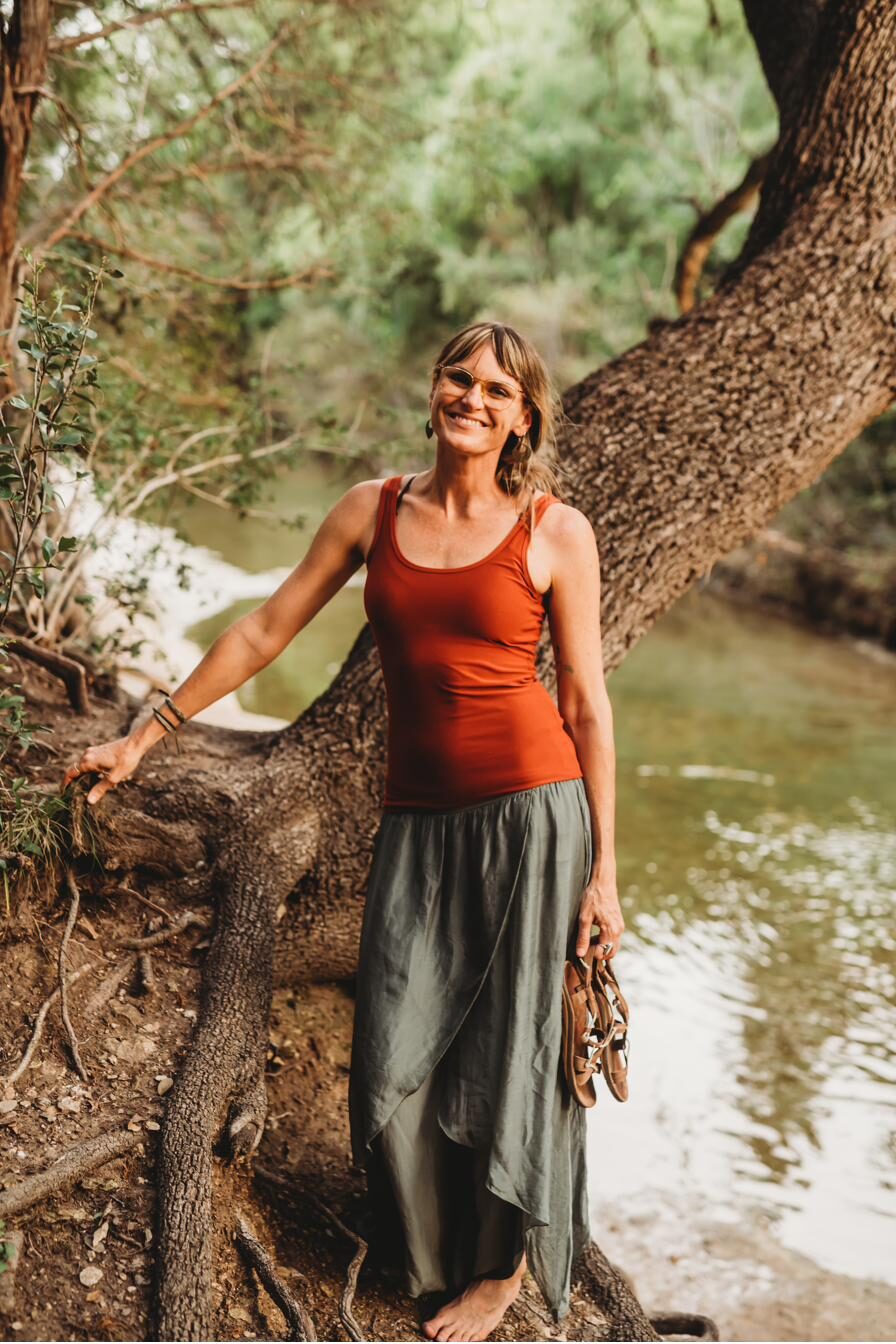
Longleaf pines, pecan, sweetgum, cedar, and tupelo shade the forest paths, and a grand laurel oak watches over the meadow at the center, a clearing made for stargazing. Old lawn is slowly turning back into native grasses and wildflowers. Around the wildlife pond, canna lilies, Bidens alba, and pennywort draw butterflies, dragonflies, and frogs. Red-shouldered hawks hunt overhead, and deer and sandhill cranes pass through. Come back in another season and you will meet a different meadow.
We ask what the land asks of us: arrive gently. Groups stay small, and quiet is honored. Keep to the paths, leave what you find, and let the land set the pace. You don’t need to know anything about nature, or sign language, to belong here. Come as you are.
“We seek not to alter the land, but to allow the native landscape to heal, teach, and provide quiet rest for all who enter.”
Here, Silence sings the song… Nature listens. Will you too?
Land acknowledgment
Wildflowers Meadows rests within the Orange Creek and Lochloosa watershed and the longleaf pine savannas, on lands long stewarded by the Potano (Timucua-speaking peoples) and Seminole ancestors. We also honor Black Seminole histories. This acknowledgment is a commitment to ongoing reciprocity, learning, and care for the land.